
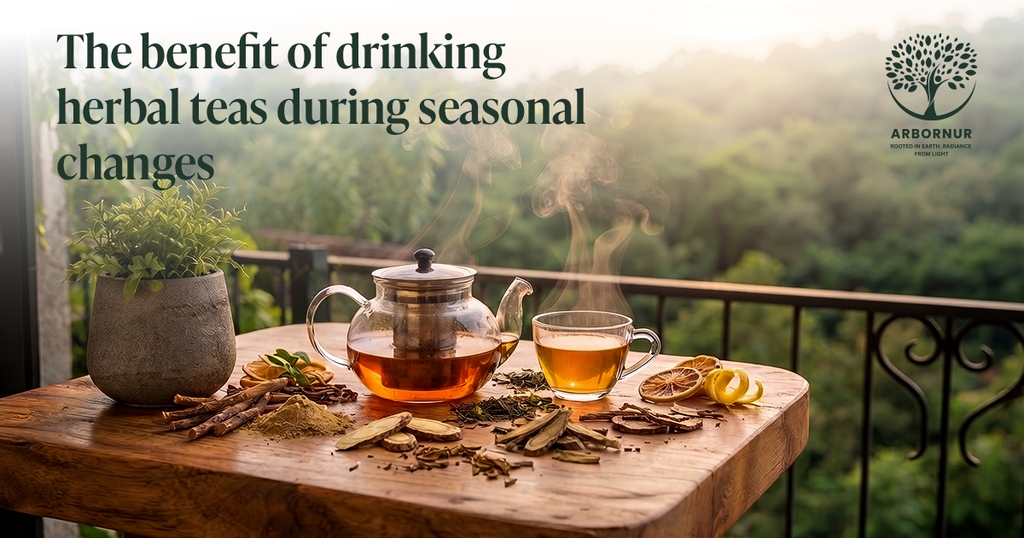
Herbal Tea for Seasonal Changes - Benefits for Immunity, Allergies & Everyday Wellness
Herbal teas for seasonal changes offer several benefits to the body as it adapts to temperature and daylight shifts, with different herbs like echinacea and elderberry making immune response strong to fight against pathogens as well as providing antioxidants to the body; ginger and turmeric relieving inflammation, that causes many ailments, and supporting digestion when it starts to get cold and the body feels sluggish; and nettle and peppermint helping with sneezing and itchy eyes by calming allergies by blocking histamines. Chamomile and Ashwagandha relax the nervous system, and these herbs can be brewed fresh at home or bought as premade options from stores.
Every season comes with beauty, like golden light slowly descending in autumn, frost appearing in winter mornings, flowers blooming in spring, long, warm evenings settling in summer; every season has its own mood. But with the beauty of every season comes the scratchy throat, sluggish mornings, repeated sneezing, and restless sleep. It is as if the change in weather has decided to test your immune system, which is true. Traditionally, people make herbal tea for seasonal changes, and these teas gently prepare the body for allergies and ailments, whether of mind or body, and provide you with comfort. It works better when you start drinking it before the symptoms begin. This guide explains seasonal wellness teas and how they work. Along with this, it tells you how you can shape your routine according to your body’s needs. Arbornur offers herbal tea blends for immunity and allergy relief, warmth, and calm, so that you can find a seasonal companion for yourself.
Why Your Body Needs Extra Support During Seasonal Changes
Our body’s response to seasonal changes is often very subtle. You feel very stressed or tired. Seasonal ailments such as colds, flu, viruses, or allergies start to occur, affecting daily life. The immune response becomes lazy, proper sleep does not occur easily, and some people’s mood is also negatively affected by the transition of the season. When the season is changing, changes occur in daylight and temperatures, and the body has to adapt to them, but our bodies take some time to adapt. The body needs relaxation and support so that it can adjust quickly and well to seasonal changes, and you can perform your daily life activities well and feel active.
How Seasonal Shifts Affect Immunity and Energy
Seasonal changes do not only change the weather, but they also affect the way our immune system works and responds. A change in temperature changes the activity of immune cells, cold weather makes blood vessels tight, and dry winter reduces the moisture of mucous membranes. These conditions make immune cells less effective, because of which the risk of viral infections can increase and the body’s defense against pathogens can become weak. The change happening in the rhythm of daylight affects the production of vitamin D in winter, while the body uses more energy to keep body temperature stable. Because of this, fewer resources remain with the body for immune support, as a result of which the defense system can become weak.
Common Seasonal Health Complaints
The common seasonal health complaints include colds, flus, and some respiratory illnesses as well as dry skin, sluggish metabolism, seasonal affective disorder, heart complications in some cases, pneumonia, digestive issues, disrupted sleep patterns, breathing problems, fatigue and mood swings and anxiety. In some people minor illnesses can also turn serious which adversely impact the immune system. Adding a herbal tea for seasonal changes can build steady protection against health risks. You can welcome each new season with energy instead of worrying about getting sick.
What Herbal Tea Is Best When Seasons Change
There is no one best herbal tea for seasonal changes. The right one for you depends on what you need. Ginger tea, echinacea, green tea and the hibiscus and rose hips blend are great for immunity support. Turmeric ashwagandha herbal tea, chamomile, peppermint, lavender, cinnamon and tulsi blend are great herbal tea choices for calming effect, stress relief, relaxation, sleep support and mood uplift. Ginseng and red ginseng help the body to respond effectively to stress. Nettle, dandelion and artichoke herbal teas are known for their detoxifying functions. There are other herbal tea preferences like lemongrass tea for immunity arsenal, thyme for respiratory support and Maca herbal plant tea for reducing fatigue and tiredness.
Look at these qualities when buying herbal tea for seasonal changes:
-
Antioxidants help your body fight everyday wear and tear. Herbal teas like hibiscus, green tea, rooibos, and tulsi are packed with them. The deeper color is often a visual cue of rich antioxidants (rich red, purple, or vivid green).
-
Anti-inflammatory herbs help calm swelling, irritation, or general achiness. Ginger and turmeric are the classics. Chamomile is gentler and soothes the gut.
-
Warming vs. cooling teas mean how a tea makes your body feel. Warming teas (ginger, cinnamon, clove, cardamom) are great in cold months. They are also good if you feel sluggish and cold often. Cooling teas (peppermint, hibiscus, spearmint) suit hot weather or if you tend to overheat easily.
Herbal Tea vs. Regular Tea for Seasonal Wellness
The most significant difference between herbal tea and regular tea is that regular tea has caffeine, and herbal tea does not have it or has less of it. If you take a moderate amount of caffeine, you feel less fatigued, and your metabolism improves by 3–10%. Caffeine also improves catechin absorption, an antioxidant compound present in green tea. Both herbal tea and regular tea are antioxidant powerhouses.
-
Green tea, black tea, or oolong tea protect the body from cancer and support cardiovascular function.
-
Herbal tea compounds keep your blood pressure healthy. They also reduce inflammation in the body.
-
Hibiscus tea has anthocyanins; chamomile has flavonoids.
-
Rosemary and lemon balm have rosmarinic acid, which enhances cognitive function.
-
Herbal teas such as ginger, peppermint, fennel, or chamomile calm your digestive system and make the gut healthy.
-
Caffeine 6–8 hours before sleep disturbs it, but herbal teas such as chamomile, passionflower, lemon balm, and valerian root calm your nervous system to help you sleep peacefully.
-
Both regular and herbal tea benefit the immune system. Green tea has EGCG, which helps in fighting viruses, and theaflavins in black tea control infections.
-
Echinacea, elderberry, and ginger herbal teas make your body strong against viruses, colds, and microbes.
Both regular and herbal teas offer benefits for seasonal wellness, but when it comes to herbal tea for seasonal changes, herbal blends offer far more benefits than regular teas, from immunity boost to stress relief.
Herbal Tea for Immune Support
Echinacea, elderberry, and ginger make a solid choice of herbal tea for seasonal changes by helping the body stay resilient as the weather shifts.
Echinacea Herbal Tea: Echinacea contains compounds that help regulate the immune cells response to threats. The polysaccharides and alkamides in its roots act as defense modulators and support the body’s response. Echinacea use also reduces common seasonal cold duration.
Elderberry Herbal Tea: One cup of elderberries is a rich source of vitamin A, vitamin C, calcium and iron. Elderberries contain polyphenol, an antioxidant that is known to prevent cell damage. It also stands out for its detoxifying properties. It thus eliminates toxins from the body. Black elderberry herbal tea provides support to the immune system and improves the body's resilience by fighting free radicals.
Ginger Herbal Tea: Ginger herbal tea is known for supporting comfortable digestion, creating a natural feeling of warmth, easing nausea, and soothing seasonal discomfort. Ginger contains compounds that have anti-inflammatory properties. Warm ginger herbal tea provides comfort to the throat and feels soothing when the body feels cold.
How Antioxidants in Herbal Tea Strengthen Your Defences
Some herbal teas are rich in antioxidants like green tea, chamomile and hibiscus tea, ginger tea and a few others. Antioxidants protect cell membranes and slow the cellular damage. Antioxidant rich herbal teas lowers immune strain by reducing inflammation. The vitamin C content in hibiscus boosts immunity. Ginger and peppermint contain anti-microbial properties. These herbal teas improve gut lining health. This makes them a natural fit as a herbal tea for seasonal changes, and they provide the following benefits:
-
Warms body in cold weather
-
Soothes throat, sinuses
-
Hydration + antioxidant combo
-
Eases seasonal allergy inflammation
-
Supports body's adaptation to temperature shifts
-
Natural, caffeine-free immune support option
Best Time of Day to Drink Immune-Support Tea
Immune-support herbal teas work best when drunk at some specific time.
-
Drink green and ginger tea in the morning with an empty stomach because it kickstarts metabolism and starts anti-inflammatory action early.
-
Drink echinacea herbal tea mid-morning because that's a peak immune stimulation window.
-
Take turmeric and hibiscus sips in the afternoon (post-lunch) because they aid in digestion post-meal and curcumin absorption improves with food.
-
Take elderberry early evening to support overnight immune repair.
-
Drink tulsi, licorice root, and chamomile blends at night before bed. They calm the nervous system and reduce cortisol. These herbal teas support deep sleep which is a peak time for immune recovery.
In cold or flu season you can drink your herbal teas morning plus night. In allergy season take mid-morning and afternoon doses. But exact clock time doesn't matter as much as consistency. Building a steady routine of herbal tea for seasonal changes matters more.
How Herbal Tea Helps with Seasonal Allergies
Herbal teas like nettle, peppermint, and chamomile help with seasonal allergies through their anti-inflammatory properties that ease allergy symptoms, soothes the throat, reduces the nasal swelling, open airways, and loosen mucus buildup. When you start drinking herbal tea for seasonal changes weeks earlier and combine them with steam, you get a dual sinus relief and symptoms feel mild rather than severe.
Herbs That Ease Allergy Symptoms
-
Nettle Herbal Tea: The nettle herbal tea contains anti-inflammatory flavonoids called quercetin that block histamine receptors and reduces mast cell activity. As you drink the nettle herbal tea, it takes a natural antihistamine action and eases flu and cold symptoms.
-
Peppermint Herbal Tea: It contains rosmarinic acid that relaxes nasal and airway muscles. This helps in clearing mucus and your airways open. So it basically has a mild decongestant effect.
-
Chamomile Herbal Tea: It plays a role in calming immune overaction during seasonal changes. Chamomile contains an anti-inflammatory flavonoid called Apigenin which calms histamine response and soothes your irritated throat or sinuses.
Anti-Inflammatory Properties and Sinus Relief
Herbal tea that eases allergy symptoms lower prostaglandin production which reduces the swelling in your nasal passages. You feel an ease in sinus pressure and mucus buildup loses. They also soothe throat irritation caused by post-nasal drip. When you combine steam with herbal compounds, you feel a dual sinus relief.
When to Start Drinking Allergy-Support Tea Before Season Onset
Herbal tea for seasonal changes offer great relief when you start using them 2-4 weeks before allergy season. When you do that, you allow antioxidant and anti-inflammatory buildup. Starting earlier means when the symptoms come they don't feel severe. Continue drinking herbal teas for allergy season through peak pollen weeks, and taper off after the season ends.
Herbal Tea for Cold and Flu Season - Autumn & Winter
Warm ginger herbal tea, licorice root and thyme blend at midday, and turmeric and black pepper all are great herbal tea rituals for cold and flu season as they offer a soothing internal warmth.
Soothing Blends for Sore Throats and Congestion
-
Warm ginger herbal tea soothes the throat directly and eases airflow by reducing inflammation, and taking antiviral and antibacterial action.
-
Licorice root offers a mucilage effect. It coats the throat and protects against viruses and microbes. It also takes a strong bactericidal action against strep throat bacteria.
-
Thyme is a traditional cough relief herb. It loosens chest congestion and inhibits S. pyogenes growth.
Herbal tea for seasonal changes reduce airway and throat inflammation. The warm liquid itself soothes throat tissue and makes you feel at ease.
Warming Herbs That Support Recovery
Herbal tea for seasonal changes such as ginger, cinnamon, turmeric, clove and black pepper with turmeric all provide internal warmth. Ginger boosts circulation, cinnamon has mild antimicrobial properties, turmeric is a traditional anti-inflammatory herb, clove is used for analgesic effect, and black pepper with turmeric boosts absorption.
Tea Rituals to Build Into Your Cold-Season Routine
Ginger with lemon and honey added for sour-sweet taste is a traditional morning tea ritual for cold seasons. licorice root and thyme blend usually gives a sweet-herbal, earthy, and a little medicinal taste with a lingering sweetness at the end. Drink at midday. In the evening, take either chamomile or licorice herbal tea which will coat your throat before sleep. Adding honey to the herbal tea especially with thyme or licorice makes the tea taste sweeter and less medicinal.
Best Herbal Tea for Changing Seasons - Spring & Summer
Nettle & Dandelion for Renewal and Allergy Relief in Spring
Early spring pollen surge brings with it sneezing and itching eyes. Nettle contains a few compounds like histamine-blocking flavonoids and some others that calm allergy symptoms by blocking the triggers. Nettle herbal tea usually has an earthy, grassy, or mild spinach-like taste. Dandelion contains vitamins A, C & K and some other compounds that nudges your body to wake up after winter. It helps you feel less bloated and heavy. Dandelion herbal tea tastes earthy-bitter, coffee-like nutty flavour. You can treat it as a reset drink at the start of spring and end of winter, making nettle and dandelion a fitting herbal tea for seasonal changes as spring begins.
Peppermint & Hibiscus for Cooling Balance in Summer
When summer heat is at peak, peppermint herbal tea provides a soothing cooling balance by creating an instant cooling sensation in the mouth. Peppermint contains methanol and rosmarinic acid. Traditionally, it is also used to settle an upset stomach or clear stuffy nose from heat or dust. It usually has a sharp, minty, slightly sweet and refreshing taste. You can drink peppermint herbal tea in humid afternoons and when you feel heavy after meals. Hibiscus herbal tea is best to drink when the weather begins to turn hot. Hibiscus contain anthocyanins that relax your blood vessels so you don't feel as "pressured" in heat. It has a slightly sour-sweet taste, cranberry-like.
How to Prepare Herbal Tea for Maximum Benefit
These recipes make it easy to build your own herbal tea for seasonal changes routine, cup by cup.
Echinacea Tea
-
Pour hot water, not boiling, over 1-2 tsp dried echinacea root.
-
Cover the cup to trap oils that give echinacea its tingly sensation on the tongue.
-
Steep 10-12 minutes. Strain and add lemon and honey. Drink it warm. Its steam alone will open your sinuses during weather shifts.
Elderberry Tea
-
Gently simmer 1-2 tbsp dried elderberries for 10-15 minutes.
-
Press the berries with a spoon when they soften. This would give your tea a deeper ruby color.
-
Strain your tea. Add honey while it's hot to make it sweet. Sip slowly to soothe your scratchy throat. Its tart-sweet flavour would feel comforting on chilly, changing weather days.
Ginger Tea
-
Cut thin slices of fresh ginger root. Thin slices release the spicy gingerol faster than a whole chunk.
-
Simmer the slices for 5-10 minutes and cover the utensil.
-
Squeeze in fresh lemon after straining. Add honey to smooth the sharp bite. Drink it warm to feel the warmth from your throat to your chest.
Nettle Tea
-
Take dried nettle leaf and steep cover for 10 minutes to pull out iron and vitamin content. It will give the water a deep green-gold color and spinach like aroma.
-
Strain and then drink plain. A little lemon will help absorb the iron better.
Peppermint Tea
-
Crush a few dried peppermint leaves between your fingers.
-
Steep cover for 4-5 minutes. Oversteeping can turn peppermint bitter. Shorter steep will give you a crisp cool-tasting drink. Covering traps the menthol vapors.
-
Breathe in the steam before you sip. The cooling menthol vapors open up the airway instantly.
-
Drink warm when the weather's turning cold. The aftertaste leaves a tingling freshness on your tongue.
Chamomile Tea
-
Take loose dried chamomile flowers which carry more essential oils than pre-bagged versions. You smell an apple-like aroma from it.
-
Add about 2 tsp in one cup and steep cover for 5 minutes to get a light golden color and smooth honeyed flavor.
-
Drink an hour before bed. You will feel calmer and easily settle toward sleep.
Citrus Bloom Lemon Tea
-
Boil water and drop in one spoonful of Arnbonur's citrus bloom lemon tea. Feel the bright floral-citrus aroma right away.
-
Cover the cup for 4-5 minutes. You'll notice the water shift to a soft golden hue.
-
Stir once gently, then sip. Enjoy the refreshing lift for a warm day or a slow morning.
Ashwagandha Tea
-
Add a spoonful of Arbornur ashwagandha tea to hot water. The first waft of steam alone starts to ease the tightness a long day leaves behind.
-
Let the cup sit covered for 5-6 minutes.
-
Sip slowly as the warmth gently eases tension in your body and the herbal notes settle your mind toward rest, making it a comforting herbal tea for seasonal changes.
Bottom Line - Herbal Tea As Your Seasonal Wellness Ritual
Alongside many seasonal benefits, herbal teas also give a few simple things: flavor without sugar, warmth without calories, and a ritual that slows down the speed of the day. Research is now starting to understand those things that herbal traditions have been doing for many generations. But scientists still note that the effect of tea is not always like the concentrated effects that are seen in extracts or supplements. Despite this, steeping tea, waiting, and slowly sipping it has a peaceful value of its own, which extract capsules cannot give. Choosing the right herbal tea for seasonal changes depends on what your body feels it needs that week, whether it is keeping the immune system more stable, calming the sinuses, or getting better sleep at night. Arbornur’s collection has been prepared keeping in mind the understanding of your seasonal needs. Explore all our herbal teas and find your perfect blend here.
Disclaimer:
This article is for general information only and is not medical advice. None of the teas covered here are medically proven cures or treatments for any condition, and results can vary depending on the individual, their health condition and medication use. Some, including ginseng, valerian and hibiscus, may interact with certain medications or health conditions. Please consult your doctor before making any of these teas a regular part of your routine, especially if you are pregnant, breastfeeding, on medication or managing a health condition.
Frequently Asked Questions
What is the best herbal tea for seasonal allergies?
Nettle, peppermint, and chamomile tea are the top choices. Nettle blocks histamine activity, peppermint clears nasal congestion, and chamomile calms inflamed sinuses and throat irritation.
What are herbal tea benefits for seasonal colds and viruses?
Echinacea, elderberry, and ginger tea support the immune system, shorten cold duration, and ease throat and chest discomfort through their antiviral and anti-inflammatory compounds.
Which is the best herbal tea for winter immune support?
Elderberry tea is a strong pick for winter, given its high vitamin C and polyphenol content, alongside ginger and turmeric tea for warmth and circulation.
Is herbal tea safe for allergies year-round?
Yes, most herbal teas for allergies, like nettle and peppermint, are safe for daily, year-round use, though starting 2–4 weeks before allergy season gives the best results.
How often should I drink seasonal wellness tea?
One to two cups a day works well for most people, timed around your specific needs, immune support in the morning, calming blends before bed.
