
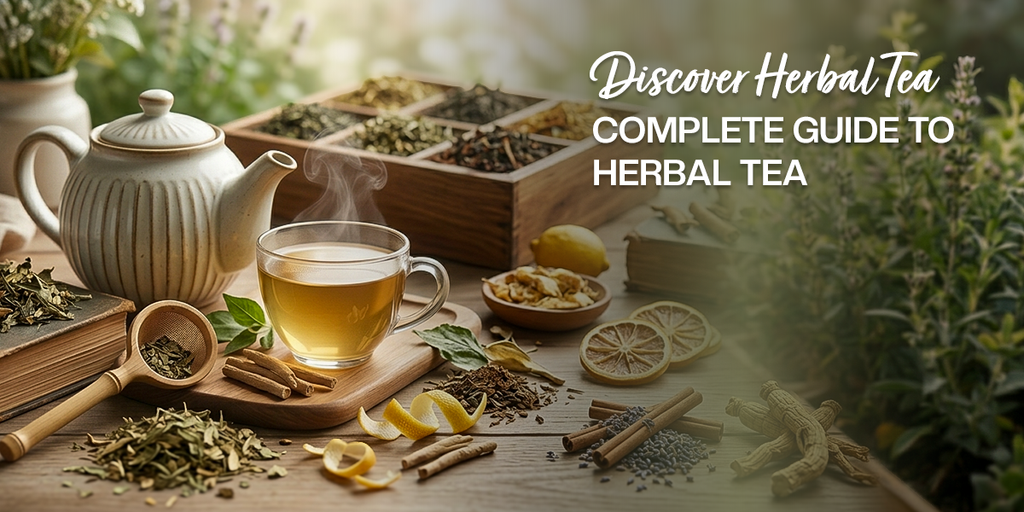
Herbal Tea in Australia: A Complete Guide For Maximum Benefits
Complete Guide to Herbal Tea: Benefits, Types, and How to Choose The Right One
Has someone told you to take a cup of tea when you are feeling tired or stressed? Yes, this piece of advice is true. But an important point to keep in mind is that “every tea is not the same”.
The most common type of tea comes from Camellia sinensis, which is called the tea plant. However, herbal teas may differ in composition. Herbal teas consist of several ingredients, including plants, flowers, seeds, and roots. Each of the elements works in a particular way.
Herbal tea is not only a beverage to enjoy for taste. It also helps one's body relax and feel fresh. Some people use herbal teas to support sleep, digestion, and increased energy levels throughout the day.
Moreover, a wide range of herbal teas do not have caffeine. Therefore, such beverages are great for individuals who look for natural drinks without extra effects.
Herbal teas have become a popular choice among people. It is easy to prepare, use, and has a lot of flavors due to its composition.
In this guide, you will find everything simplified. This guide will help you understand herbal tea, its ingredients, the types of herbal teas, their health benefits, and how you should choose the right one.
What Is Herbal Tea?
Herbal Tea is a beverage. It is made when herbs are steeped in hot water. The hot water dissolves everything beneficial in that herb. That may include vitamins, minerals, and other compounds, and you drink these beneficial substances with each sip. Herbs used for making tea may be leaves, flowers, roots, bark, seeds, or berries.
Unlike green tea, black tea, and white tea, which are made of the Camellia sinensis plant, most herbal teas do not contain caffeine. Because it is totally plant-based, herbal tea may be called a “tisane". It is just another name for a drink made of plants other than tea leaves.
People have been getting amazing advantages of herbal tea for years. Healers used to make combinations of different herbs that helped relieve aches and soothe people's minds and bodies. Modern science has proved a lot of that knowledge to be true.
What Does Herbal Tea Usually Contain?
You could question, what is in herbal tea? This will depend on the type of herb used. However, the ingredients in herbal tea may include:
-
Antioxidants
It helps to fight cell damage due to environmental pollution and stress.
-
Vitamins and minerals
Most of the herbs contain vitamin C, magnesium, calcium, and iron.
-
Essential oils
It develops the smell and flavor of each type of tea. But they also have medicinal values.
-
Phytochemicals
It helps to prevent diseases, relieve inflammation, and improve organ functioning.
-
Flavonoids
It also provides heart health benefits and reduces body inflammation.
Different Types of Herbal Teas
A lot of different kinds of herbal tea have been found. All of them are derived from plant sources and have different effects on your body. Here are some of the most effective types of herbal tea:
1. Chamomile Tea
Chamomile contains small white flowers with an aromatic apple flavor. It has been popular for years due to its relaxing properties and anti-inflammatory action. It also impacts the skin positively. Chamomile also includes apigenin, which makes it a relaxing agent without making you tired during the day.
2. Peppermint Tea
It is refreshing and slightly cooling. Drinking peppermint tea helps reduce sinus pain and improve oral hygiene. It helps in relaxing your mind and making your brain calmer. Also, the menthol found in peppermint tea eases spasms of the gut wall. It is a perfect post-meal remedy.
3. Ginger Tea
It is generally a spicy and warm drink. It is one of the most health-beneficial herbs, due to its high gingerol content. Ginger tea helps to fight nausea, stimulates blood flow, and heals from colds.
4. Hibiscus Tea
This tea is reddish and tangy. It is made from dried hibiscus flowers. Hibiscus is high in Vitamin C, antioxidants, and minerals, which promote kidney health and clear skin. The flavor resembles cranberry and is delicious when used in chilled drinks during the summertime.
5. Rooibos Tea
Rooibos Tea is sweet, smooth, and earthy. It is native to South Africa, and is one of the most common types of Australian herbal teas on sale. This tea is mineral-rich and an excellent choice for skin, too.
6. Lemon Balm Tea
Lemon balm tea is Light and slightly citrusy. Lemon balm tea is prepared from lemon balm leaves. It acts on the nervous system and eases stress. It is also beneficial to your memory and concentration, and can be an ideal afternoon beverage if you are working from home.
7. Echinacea Tea
It is prepared from coneflowers. Echinacea Tea supports upper respiratory health and helps to reduce the duration of colds. It is one of the most used organic tea herbs in the world.
8. Turmeric Tea
Turmeric Tea is warming and earthy with a golden color. It is the best anti-inflammatory herb in nature, which consists of curcumin. This tea is good for joint pain relief, digestive problems, and liver support. To help your body better absorb the curcumin, you may use black pepper.
9. Lavender Tea
lavender tea is flower-like and relaxing. Dried lavender flowers are used to prepare this herbal tea. It is highly effective in preparing for a night's rest. It alleviates head pain caused by stress and instantly provides a feeling of relaxation.
10. Licorice Root Tea
It is also a sweet tea that contains absolutely no sugar. Licorice is a remedy for sore throats and helps strengthen your adrenal glands. It may assist with breathing problems. It is an excellent choice if you have caught a common cold or when you crave sweet tea that does not disturb your sleep.
Why Is It Healthy to Take Herbal Tea? - Top Benefits
Helps Boost the Immune System
Herbs used for immunity, like elderberry, ginger, and echinacea, work differently. Elderberry prevents viruses from entering the cells. Ginger stimulates the activity of white blood cells. Echinacea speeds up recovery from an infection. Thus, this combination makes some of the best herbal teas to boost your overall immunity.
Improves Quality of Sleep
The main teas that improve your nighttime rest may include valerian root, chamomile, and passionflower. They impact the same brain receptors as some sleeping medications. One cup of tea 30 minutes before sleep will be good enough to benefit your body.
Relieves Stress and Anxiety
Drinking herbal tea helps relieve anxiety symptoms. Lemon balm, ashwagandha, and passionflower help reduce the level of cortisol. It is the main hormone linked to stress. Herbal tea for relaxation should be used slowly, and afterwards, a person may avoid using mobile and other electronic devices.
Helps in Digestion
The most effective types of tea that promote digestion are fennel, peppermint, and ginger teas. Fennel helps ease acidity in the body. Peppermint calms the walls of the digestive tract. Ginger makes the stomach empty faster so that food does not cause discomfort. These teas are commonly used after eating meals.
Helps in Maintaining Weight
Herbal tea should be used as a complement to promote healthy weight loss. It may not reduce your weight directly. Green rooibos, dandelion, and cinnamon teas help control sugar levels, prevent fluid accumulation, and maintain metabolic health. This needs to be combined with proper nutrition and physical exercise for the best results.
Detoxifies the Body
Milk thistle, nettle, and burdock root help improve the performance of the liver and kidneys. The use of regular liver detoxifying herbal tea is important for maintaining proper organ performance. It may make a person feel much lighter within a month.
Heart Health Support
The herbs hibiscus, hawthorn, and green rooibos may help lower blood pressure and maintain good cholesterol levels. Herbal teas' benefits for the heart are scientifically proven by several peer-reviewed research papers. Adding these teas to the diet is a great addition for your heart.
Beneficial for Your Skin
Rooibos, rose hip, and nettle teas contain antioxidants that prevent free radicals, which contribute to skin aging. Some people even use chamomile or green rooibos tea as face tonics.
Is There Caffeine in Herbal Tea?
In short, the answer is no. Herbal teas do not originate from the Camellia sinensis tea bush. That is why they do not contain caffeine. It makes them a good choice for those who feel anxiety after drinking coffee, struggle to sleep, are pregnant, or just need an evening drink. The top caffeine-free herbal teas you can get in Australia are chamomile, rooibos, hibiscus, lemon balm, ginger, and peppermint.
One thing to consider is that some herbal tea blends may include herbs along with black or green tea, which has caffeine. But it is mostly mentioned on the packet content, just like Arbornur’s herbal tea. Do not forget to check before buying one for yourself.
Best Herbal Teas for Different Health Concerns
|
Health Needs |
Herbs For Tea |
Affects |
|
Sleep |
Valerian root Passionflower |
Helps you fall asleep Helps to calm a busy mind |
|
Weight Loss |
Dandelion root Cinnamon |
Reduce bloating Controls sugar cravings |
|
Detox |
Milt thistle Burdock root Nettle |
Keep the liver and kidneys clean and healthy |
|
Viral Infection |
Elderberry Roe hip |
Helps to fight cold Boosts vitamin C |
|
Hypertension |
Hibiscus Hawthorn berry |
Lowers blood pressure Improves blood flow |
|
Energy |
Ashwagandha Tulsi (Holy Basil) |
Reduce tiredness Promotes calm and steady energy |
How To Brew A Perfect Cup Of Herbal Tea
You should know how to make herbal tea to enjoy your experience. Below are the steps you need to follow:
-
Step 1
Choose your favorite tea. Better go for a tea that aligns with what your body needs at the moment.
-
Step 2
Boil fresh water. The ideal temperature should be 95 to 100 degrees Celsius.
-
Step 3
Add your favorite herbal tea. If you are using a teabag, put one bag into the cup. In case of loose-leaf herbal tea, use 1 or 2 teaspoons.
-
Step 4
Pour water into the tea. Directly pour the hot water into the cup with the tea bag or loose leaf. For tea with delicate flowers like chamomile or lavender, wait for about 30 seconds before pouring water to preserve the flower’s properties.
Best Time To Have Herbal Tea For Specific Goals
The timing plays a very important role in the effectiveness of your beverages. Below is a list of the recommended schedule for the use of herbal teas:
|
TIME OF DAY |
YOUR GOAL |
|
Morning |
Boost digestion and Energy |
|
After Meals |
Reduced Bloating |
|
Midday |
Reset and refocus your mind |
|
Evening |
Relaxing the body |
|
During Sickness |
Speed up the recovery process |
Loose Leaf Herbal Tea vs Tea Bags - Which is Better?
Both loose-leaf tea and tea bags are good options. Here's an honest comparison between the two:
Loose Leaves
Herbs that are either whole or chopped into pieces are considered to be loose leaves. Since the herbs have not been crushed or shredded, the essential oils are better preserved with their nutrients. They take more time to open up during steeping. The taste and their medicinal properties are even more. The only downside is that you need a strainer to separate the leaves from your tea.
Tea Bags
Tea bags are more convenient and fast-brewing. It is ideal for daily use or when you are travelling. The quality of the tea in such a product greatly changes. For example, some brands put whole herbs in tea bags, producing wonderful products. While others use dust and crushed leaves, which are not that effective since they contain fewer bioactive elements. Make sure you purchase bags from a reliable manufacturer such as Arbornur. They provide premium-quality tea bags that offer complete benefits.
Loose-leaf herbal tea can be considered a more preferable choice for getting maximum benefits.
Why Spend Extra Money On Premium Organic Herbal Teas
Organic premium herbal teas do cost a bit extra. But here’s exactly what you’re paying for:
-
Tea without harmful chemicals
If you make your tea from non-organic herbs, the pesticides used on those plants will also be present in your drink. Organic tea ensures that your drink is free of harmful additives and chemicals.
-
Increased bioactive compounds
Organic herbs have higher levels of antioxidants and phytochemicals. The plants may produce more of these compounds when they are grown without chemicals.
-
Better taste
Cleaner herbs give a better-tasting tea. The difference will be clear right after you take your first sip.
-
Eco-friendly Option
Organic tea farming helps conserve the environment by maintaining the quality of the soil. It also helps in decreasing water pollution.
Australian Herbal Teas: Unique Flavor With Ancient History
There is nothing wrong with the rising popularity of Australian herbal teas. Australia has some of the most exotic local plants in the world. Their healing properties were known to native Australians for many years.
Lemon Myrtle
It is one of the native Australian trees, characterized by its high citral content. The leaves brew a refreshing citrus-like tea. The tea is rich in antioxidants and antimicrobial qualities. Truly unique among all Australian herbal teas.
Wattleseed
Ground and roasted seeds give rise to this wattleseed tea. It has a slightly nutty taste and notes of chocolate. Native Australians have used wattleseed as their primary source of nutrition for years. It is high in protein, potassium, and zinc.
Kangaroo Apple
A traditional medicinal herb that helps regulate hormones and inflammation. It is unusual and found on the east coast of Australia. This is used in health blends for ailments like itching, swollen joints, ulcers, rheumatoid arthritis, and more.
River Mint
This is an Australian mint. It is similar to peppermint in terms of its cooling effect. But has much more complex flavors. River mint helps keep sinus cavities clear and also helps in digestion.
Arbornur introduced these amazing native herbs in our herbal teas collection.
Mistakes People Make When Drinking Herbal Tea
Many people miss the complete benefits that herbal teas offer. This happens due to very simple mistakes. Below are some of the most common issues:
-
Select tea according to what you are trying to achieve from it.
-
Avoid buying from cheap brands that have artificial additives.
-
Steep delicate flowers for a limited period, or else they become bitter.
-
Allow boiled water to sit for about 30 seconds before pouring it onto flowers.
-
It may take up to two to four weeks before noticing any benefits from tea.
-
Take the appropriate tea at the right times. For example, peppermint should be avoided before bedtime.
How To Know If the Tea You Choose Is Not Right
In some cases, the tea you drink just does not suit your body. Here is what you need to pay attention to:
-
Stomach issues
If you have nausea or stomach pain after having a cup of tea. Try rooibos or lemon balm, which have a gentle impact on your system.
-
Allergy symptoms
If you see redness, itching, or rashes. It may be an allergic reaction. Chamomile is part of the same plant family as ragweed, so people allergic to ragweed should avoid chamomile as well.
-
No results after 4 weeks
In case there were no positive changes within 4 weeks, change your herb. There is a chance that a particular herb may work for someone else, but not for you.
-
Poor sleep
If you are drinking a tea that energises you before bed. Like peppermint and licorice root, the quality of your sleep is likely disturbed. After sunset, you should have only calming herbal teas.
-
Feeling nervous
Herbs such as ginseng, licorice root, and large amounts of peppermint are energising and stimulating. If you still feel nervous, choose a calming blend.
How to Store Your Herbal Tea
Even the best herbal tea can be ruined by poor storage. Here's how you should store your teas to preserve their quality:
-
Place your herbs in a sealed glass jar or tin.
-
Keep them away from sunlight or store them below 20 degree celcius.
-
Avoid places that are warm and moist, like your kitchen stove or bathroom.
-
Never store your tea in the refrigerator, as it will absorb moisture.
-
Use within 12 to 18 months for best results.
How To Choose The Right Herbal Tea For Yourself
As there are a lot of types of herbal tea in the world today. It can be difficult to choose one. But it is easy with the following steps:
-
Choose your goal. It can be sleeping, digesting, increasing energy levels, or dealing with stress. This will tell you what herb to use.
-
Select between tea bags and loose-leaf herbal tea. Both of them may be of good quality, depending on the sources.
-
Try gentler teas first. Use Rooibos or Chamomile, and then move to stronger ones like Valerian and Burdock.
-
Choose an herbal tea company that provides information about its sources. Try to buy herbal teas from Arbornur that maintain quality and transparency in their products.
Final Words
Herbal tea is a completely natural way to maintain your body in good condition. There is a wide range of different kinds of herbal tea. You will find something useful for yourself because each type of tea gives a different effect. It includes better sleep, improved digestion, and increased relaxation. Once you learn more about the benefits of using herbal tea, it will be much easier for you to pick the right product according to your daily needs. It is important to pay attention to choosing only top-quality and well-sourced products to benefit from using them.
You can easily use this information and start to discover the best tea for yourself. You just need to try one cup a day and gradually create your own routine. If you need some premium teas, feel free to search for and purchase them from trusted manufacturers.
Disclaimer: The information provided in this article is for general educational and informational purposes only and is not intended as medical advice, diagnosis, or treatment. Herbal teas may affect individuals differently, and some herbs can interact with medications or existing health conditions. Always consult a qualified healthcare professional before using herbal products, especially if you are pregnant, breastfeeding, taking medication, or managing a medical condition. Results may vary between individuals. Arbornur products are not intended to diagnose, treat, cure, or prevent any disease.
FAQs
1. What is herbal tea, and why does it differ from ordinary tea?
It is a drink made of different plants, such as herbs, flowers, leaves, or even seeds, brewed in hot water. The main difference is the absence of caffeine, which can be found in green and black tea.
2. What type of herbal teas will help me improve my sleep habits?
Chamomile, valerian root, and passionflower teas have calming properties that may help you fall asleep.
3. Will drinking herbal tea reduce my problems with digestion?
Yes, peppermint, ginger, and fennel teas help in reducing stomach issues. It also regulates stomach acid levels and decreases bloating.
4. Are there any possible risks related to drinking herbal tea?
No side effects are expected, but you need to be sure that your herbal tea does not contain caffeine. Check the content to ensure that you are not allergic to any herb added to the tea.
5. Is there any correct way of making herbal tea?
To make the best tea, herbs should be steeped in boiling water for 3 to 5 minutes. The boiling temperature of water needs to be around 95-100 degrees centigrade. If you use herbs such as chamomile and lavender for your tea, then water should be added after 30 seconds.
6. Which kinds of herbal teas can increase immunity?
If you have problems with your immunity, it is recommended that you use elderberry, echinacea, and ginger teas.
