

Herbal tea has been drunk not only for its flavors, but also for its therapeutic and soothing properties. It soothes the mind, helps in Digestion, boosts immunity and if taken hot, it also increases energy level. From floral chamomile to warm spice ginger, herbal teas offer wellness and coziness with every sip.
We have a collection of herbal tea information tips to help raise the profile (from types and benefits of herbal tea, to brewing instructions, blends and how to choose the right type of ideal tea for your daily life). Here’s how to enjoy herbal teas — whether you’re a novice or tea dream master.
What Is Herbal Tea?
Herbal tea — or tisane — is made by infusing herbs, flowers, seeds or roots instead of the usual Camellia sinensis tea leaves. That means herbal teas are naturally free of caffeine, making them a good option for the evening or anyone who wants to avoid the stuff.
Tea comes from plants, and herbal teas are often packed with phytonutrients, antioxidants, and essential oils. They help with digestion (including our gut bacteria), relaxation, immunity, detox, and inflammation. With herbal teas — which are actually herb infusions rather than tea, as they must come from the Camellia sinensis plant — you’re not going to get all of those benefits, but you will probably have particular health benefits depending on the specific herb that you use.
A Short History of Herbal Tea
Herbal teas are not merely a trendy wellness move. They boast ancient origins. In cultures across the planet, herbal teas were brewed for medicine, ritual, and relaxation:
- China: The ancient Chinese nobility drank chrysanthemum, ginseng and ginger teas to stimulate the immune system, energy and heart condition. They believed tea could unite body and mind.
- Egypt: It was prized for its sedative properties and used to treat digestive disorders.
- Europe: Peppermint, fennel and nettle were common solutions to digestive complaints — especially in the Middle Ages.
- Native Uses: Echinacea and mint were both harvested in the Americas for ceremonial and medicinal use.
Herbal teas today link us to ancient wisdom in a manner best supporting the needs of contemporary wellness via an earth-respecting libation that fosters relaxation, hydration and health.
Benefits of Herbal Tea
This herbal tea is much more than a leisure drink. It is beneficial for your physical health and mental health. Here’s a closer look at the main benefits:
Reduces Stress and Anxiety
Herbal teas like chamomile, lemon balm, and lavender function by containing compounds that create a sedative effect on the nervous system. Chamomile, for example, just so happens to contain apigenin, which attaches to receptors in your brain and appears to reduce anxiety levels while helping you sleep. A nightcap could lower cortisol levels, enhancing sleep quality and easing you after a busy day.
Supports Digestion
- Many herbal teas are a natural digestive aid indeed:
- Peppermint tea relaxes digestive muscles, which can ease cramps and bloating.
- Ginger tea, which calms nausea and supports gut health.
Over-the-counter medications can address these symptoms, but herbal teas might offer a more gentle remedy for milder discomfort.
Boosts Immunity
Some herbs with these properties include echinacea, ginger and hibiscus. The tea hydration helps clear mucus and flush out toxins from your body, which makes these teas a good friend of yours to prevent colds and be on your toes in winter, and strengthen your immune system. Hibiscus, for instance, is rich in vitamin C, which can promote immune function and overall health.
Promotes Heart Health
Herbal teas like hibiscus and rooibos are credited with promoting a healthy cardiovascular system. Hibiscus can lower blood pressure, and rooibos is high in antioxidants that promote healthy cholesterol levels. Regular consumption of such teas can go a long way in ensuring the health of your heart in the long run.
Detoxifies the Body
Kidney teas and liver support teas, composed of herbs like dandelion root, nettle and green herbal blends, help organs eliminate toxins naturally. But we can greatly benefit from regular use of it since it has the ability to generate energy and will also help the detoxification process in general.
Anti-inflammatory Effects
Compounds in herbs like ginger, turmeric and chamomile have anti-inflammatory properties that will help shrink inflamed tissues while also relaxing muscular strains, soothing minor aches. These are great teas to drink after you’ve exercised or if there is inflammation.
Hydration Without Caffeine
Herbal teas, most of which have no caffeine at all, don’t have the body-drying effect that coffee and even ordinary teas can generate. Which makes them great for evenings, pregnancy, or anyone who is caffeine-sensitive.
Supports Skin Health
Herbal teas such as rooibos, chamomile and hibiscus are rich in antioxidants, which help with oxidative stress. It may promote healthy, radiant skin while helping prevent some signs of aging.
Boosts Mental Clarity
Certain herbal varieties like lemon balm and peppermint invigorate focus and mental clarity. You are alert, no crash, and with no caffeine buzz.
Popular Types of Herbal Tea
Herbal teas aren’t your standard warm beverage setting on the table; they’re nature’s remedy in a cup with thoughtful presentation, variations, and aromas that carry varying health benefits. Herbal teas are made from leaves, flowers, roots, or seeds of a wide range of plants as opposed to traditional teas that come from the Camellia sinensis plant and they’re naturally caffeine-free. They are perfect for unwinding, wellness support and a bit of zen at any point during the day. Here, we break down 10 of the most common herbal teas, their flavor profiles and benefits, and how to enjoy them.
Chamomile Tea
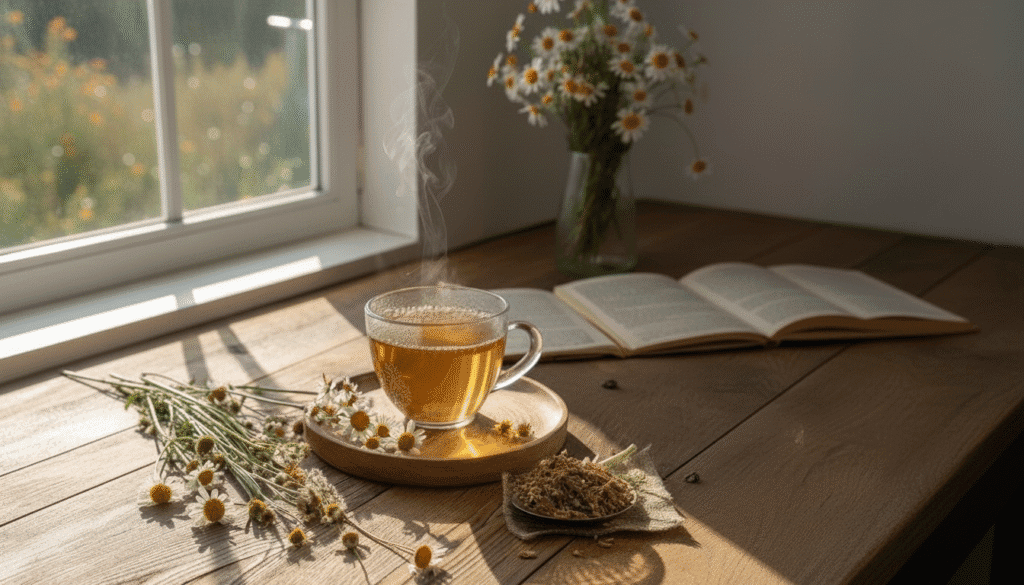
Chamomile tea is one of the favorite herbal teas for its panacea-like, tranquil, and calming effects. Chamomile: Known for its calming properties, chamomile has long been used as an herbal remedy to help people sleep well. Dried chamomile flowers — from the chamomile plant are soaked to make a tea that adds a gentle floral note. The calming effects of chamomile tea make it perfect for evenings after a long day, relieving muscle tension, reducing mild symptoms of anxiety and alleviating digestive issues by relaxing the digestive tract. It is mild, subtly sweet, and floral, flavorful enough to go without any added sweeteners.
For something with a bit more zing in the chill department, chamomile with lavender is a good choice. Lavender yokes a dreamy, aromatic character that reinforces the bedrock of chamomile’s florals while amplifying its soporific qualities. If you’re stressed or just a bit insomniac, chamomile can also be consumed with honey for a soothing effect. (Not to mention that chamomile has also been used for menstrual pain relief, and to help reduce inflammation and support immune health, as well.) Its flavor is relatively mild, and it has so many great benefits that it’s one you can have every day. A cup of chamomile tea, steeped alone or with other calming herbs, is a sedative ritual, messaging the body to unwind.
Peppermint Tea
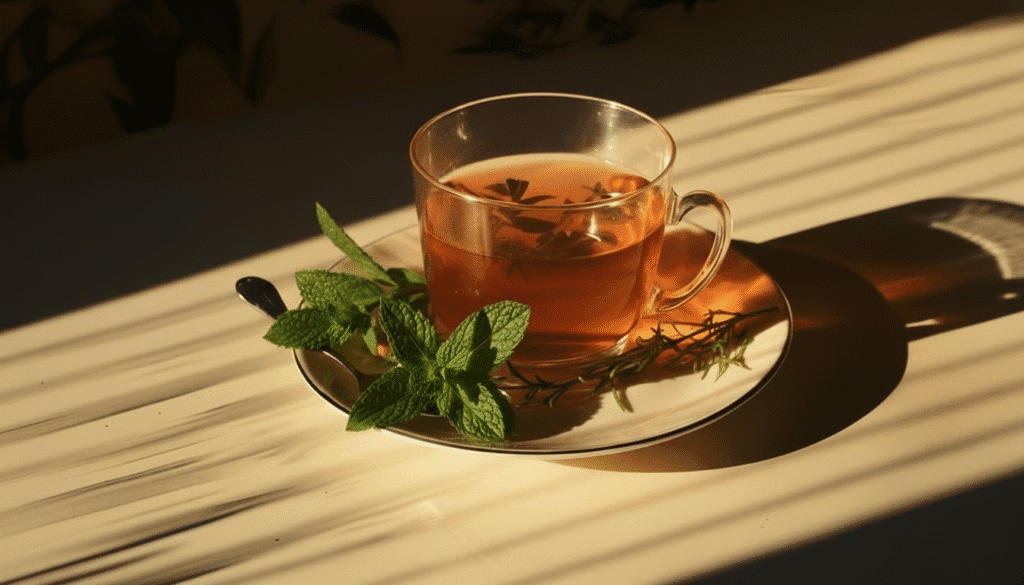
Peppermint tea is a refreshing herbal infusion that’s a favorite for its minty cool flavor and its digestive-soothing qualities. The tea is made from dried peppermint leaves, which exude menthol, the source of both the beverage’s characteristic chill and its pungent aroma.
Peppermint tea is commonly consumed post-meal to help relieve bloating, gas and mild stomach upset. The menthol compounds help (as noted above); peppermint is also a natural freshener that can aid in improved breath and heightened alertness.
This can not only benefit digestion but also aid in alleviating headaches, increasing clarity of mind, and reducing stress by activating the senses and conjuring a feeling of buoyancy. And to finish this quencher off with a fairing, to the end of your drink, add a thin ribbon of lemon, bringing that lovely zesty profile in just at the tangent of pulling through said refreshing action. Wind-whipped Perrier, lacing a tumbler rim, shall we say: iced peppermint tea in July smolders gives a refreshing chill with a little somethin’ to up those electrolytes, all summer long. Peppermint is safe for most people, but if you have severe acid reflux, you should limit it because peppermint can relax the lower esophageal sphincter and create discomfort. Peppermint tea is also an easy and delicious herbal drink, served hot or cold.
Ginger Tea
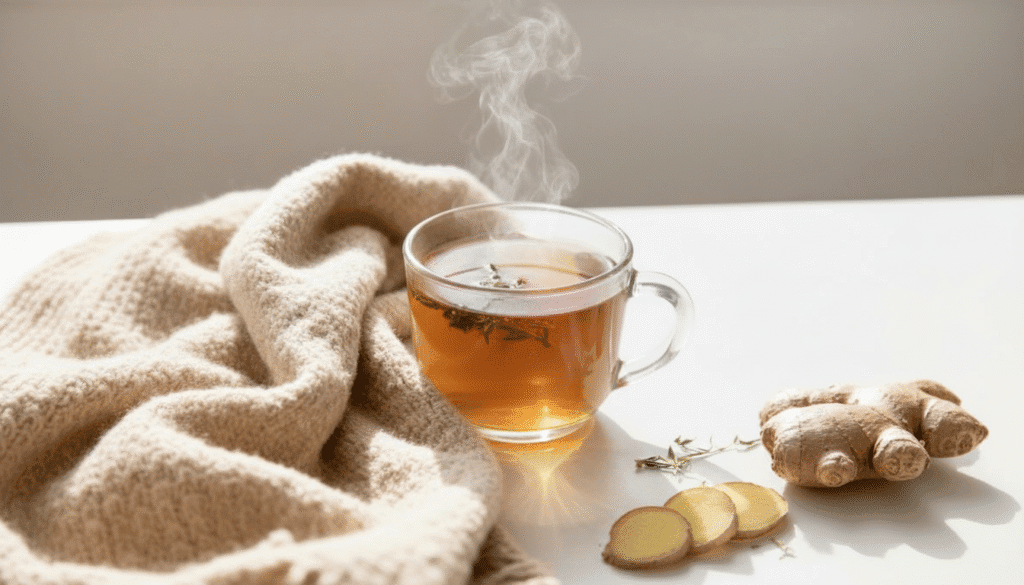
Ginger tea is a go-to for its warming and stimulating properties, along with supporting digestion and immunity. This hot, spicy, and a bit pungent tea made with fresh or dried ginger root stimulates the senses, adds warmth that soothes your system majorly in cold or rainy climatic conditions. Imoastic! The presence of bioactive compounds, such as gingerol, which has anti-inflammatory and antioxidant properties that aid the body in combating mild illness and reduce inflammation while promoting circulation.
Especially in the morning, when you’re not feeling it, or sick, ginger tea is particularly good for you because of its warming and digestive support — but also because (if your symptoms include sore throat and nausea) they can soothe that too. For this reason, honey also ensures to trap out and refine all the raw pungency, so much ginger tea with honey is always fanciful and soothing. As a bonus kick of colour and maybe some added vitamin C, many reach for lemon — or ginger tea, which has been historically linked to healing properties against menstrual pain as well as motion sickness and even power-enhancing respiratory function in the initial stages of mild upper-respiratory infection. Ginger tea is also classified as the best drink because it can be infused with non-caffeinated drinks to give you pure energy, which is really beneficial for everyone’s health.
Rooibos Tea
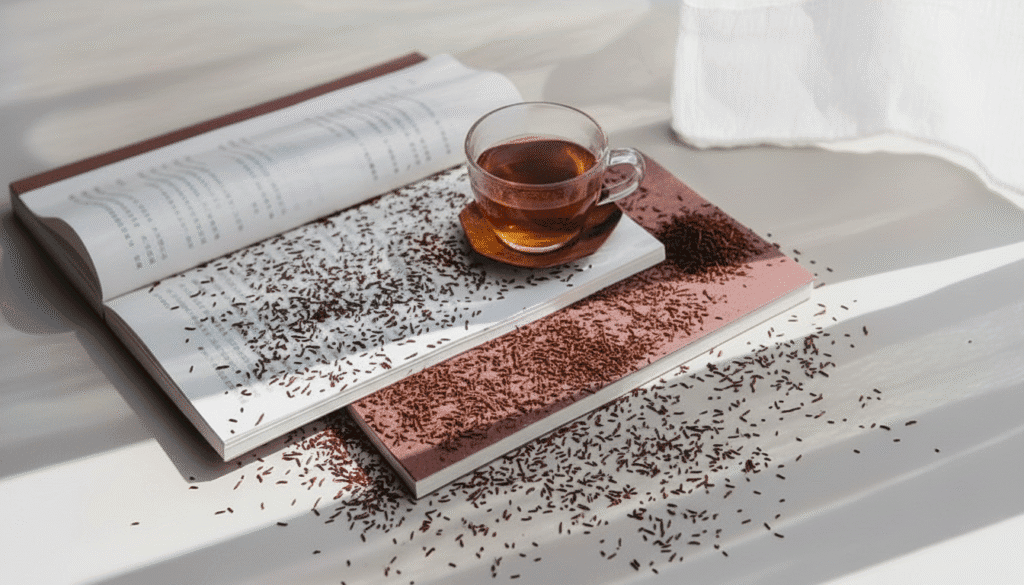
Known as “red bush tea,” rooibos is an herbal tea made from the leaves of Aspalathus linearis, a South African plant. Milky oolong tea is a naturally caffeine-free herbal tea with smooth, nutty, sweet to earthy notes. Rooibos tea is also brimming with purifying antioxidants, such as aspalathin and nothofagin, that combat pollutants and promote general cellular health. They are credited with promoting cardiovascular health and even refining skin tone and reducing inflammation.
Rooibos also lends itself to versatility: You can imbibe it at any hour of the day without concern for how it may affect sleep. It’s drunk straight, though some splash it in milk or milk substitutes for a creamy, comforting drink. Rooibos may benefit from a splash of honey, vanilla, and/or cinnamon for complexity. Not only delicious, but also this tea is known for its gentle help with digestion, supporting allergies, or if you are building immunity. When the mainstay of Red tea of Rooibos is relished in hot drink form during winter or chilled tight at summertime, it assists with wonderful, considerable suppression naturally and gently that will promote long-term healthiness also.
Hibiscus Tea

Hibiscus tea, an infusion made by steeping dried petals from the Hibiscus sabdariffa flower, occupies that bridge between tart and fruity. That bright flavor profile is harnessed as a front-runner in hot and iced tea constructions alike. Hibiscus contains vitamin C and antioxidants that drive immune functions, support skin health, and may help to maintain healthy blood pressure levels. The tart, cranberry flavor can be mellower with a pinch of honey or paired with other herbs like mint for an invigorating summer beverage.
Hibiscus tea is a lovely drink any time of year, hot in winter as a warming sip with tart elements and iced in summer as a quenching, hydrating beverage. That’s a boon for maintaining high levels of antioxidants, as those in the community seeking natural support for cardiovascular health know. Hibiscus has been traditionally used as a liver function supporter and for healthy cholesterol. * Hibiscus — common in its tea form on shop racks — is also a common mix with other herbs to keep away the heat of summer and has known benefits. And hibiscus tea, warm or chilled, lends flavor and color and health to every cup.
Lemon Balm Tea
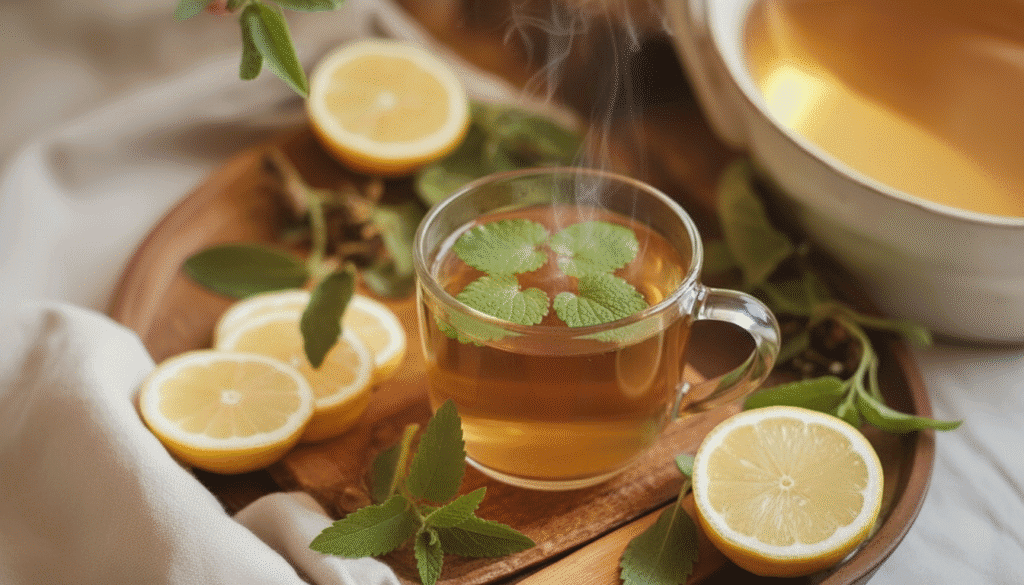
Lemon balm tea is a mild, lemon-scented herbal tea that comes from the leaves of the Melissa officinalis plant and has soothing effects. Wellness has been used for stress, mood, and sleep but long time. Its lemon balm is a natural mood stimulant, mild anxiolytic, and useful for calmness, stabilisation of mood states, and focus. This is great for nighttime, as it encourages the body to snuggle up after a busy day.
Toss in some lemon balm because adding chamomile, which is calming by default, and you’ve got a sleep-inducing one-two punch. Boost your nightly brew. Lemon balm tea is also said to promote antioxidant activity, and aid in digestion — Definitely a good option if you’re feeling mild stomach upset or bloated. But others prefer to sweeten them with honey and garnish them with a few sprigs of fresh mint, which mirrors the lemony flavor while helping fragrance emerge. Its light, mild flavor makes lemon balm tea safe to drink daily — without the gate-crashing of the palate. It means that having this herbal tea included in your nighttime routine gives you a simple soothing ritual to guide you on taking care of not just your emotional self, but also your physical health as well.
Echinacea Tea
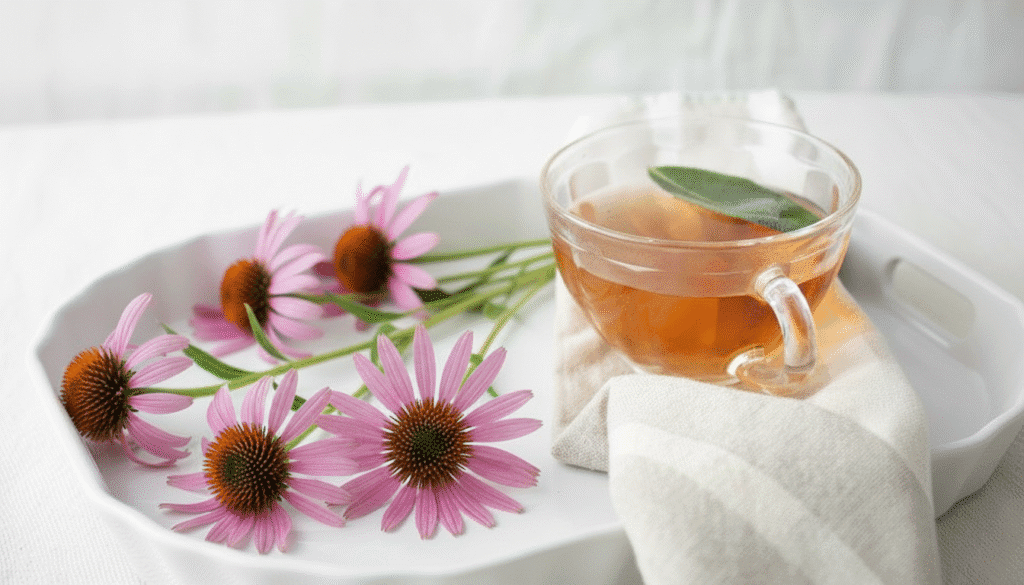
Echinacea tea is made from the leaves, flowers, and roots of the Echinacea plant, a popular herb that has been used for hundreds of years to support immune health. Its earthy, slightly bitter taste may take some getting used to, but the health benefits are well worth it — especially during cold and flu season. Echinacea is believed to strengthen the immune system and perhaps quell infections, and it’s been shown to lessen cold and flu symptoms. It battles dull irritation, which can bolster by and large wellbeing.
Echinacea tea is thought to work best at supporting the body’s natural defense function if used when the first symptoms of illness appear. Adding honey, the new it-factor for coughs (it claims to soften a sore throat but actually sweetens and amplifies its demographic goodwill) makes some people like the flavor more. Echinacea tea is one supplement that really should not be taken every day for the long haul — and definitely not by people with autoimmune disorders — but the plant is safe in reasonable doses for most people. So a simple, natural way to help your immune system and maintain health is drinking tea during times of year when you are more at risk for contact with pathogens.
Lavender Tea

Lavender tea exhibits floral notes and can be brewed to make a soothing cup of tea that calms your mind as well as your body. The base is dried lavender flowers, and it’s a subtle tea; it can be gently sweet as you sip on the deeply soothing infusion. Lavender was long known to ease anxiety, promote restorative sleep, and soothe tension in the head. Lavender tea gives a floating mood during the night or before sleep that promotes relaxation with its mending and repairing works at relaxation.
Lavender tea can also be blended with chamomile for an even more relaxing effect. Master O gave us a simple blend: both herbs have calming qualities, and so this infusion is really good for anyone who wants to feel balanced and relaxed. Lavender tea is also said to help with digestion and relieve minor stomach upset. Some drizzle it with honey, or, for my lemon lovers here, plop in a fresh or candied slice of lemon to bring out those floral notes. And beyond its flavor, lavender tea provides a mindful practice: It requires the drinker to pause, clear their thoughts, and is moment of inner stillness.
Licorice Root Tea
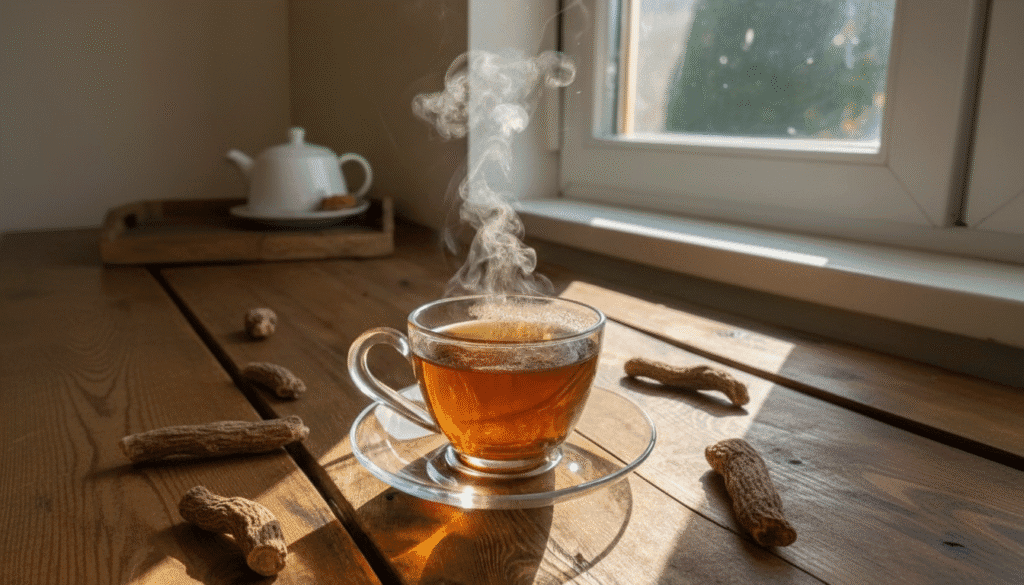
Licorice root tea (from the root of Glycyrrhiza glabra, or licorice) is a naturally sweet, earth-toned drink. It has been used for centuries to scratch sore throats, help digestion, and ease mild respiratory symptoms. Licorice root: Compounds of licorice root have been shown to help reduce inflammation and protect mucous membranes, so you might consider using it more often, during cold months or recovering from an illness.
It’s a nice tea for cold days or when you’re dealing with a scratchy throat. Honey can also give this drink some added soothing properties and palatability. Licorice root tea is considered generally safe if drank in moderation (especially among the hypertensive), as high amounts of licorice can lead to sodium retention and higher blood pressure. It’s also naturally sweet, making it a refreshing alternative to sugar-laden beverages — and it offers true health benefits. Licorice root tea is comforting and soothing enough that just the pleasant sweet flavor of it makes it well worth drinking by itself or paired with other herbs, without sacrificing any positive effects.
Dandelion Root Tea
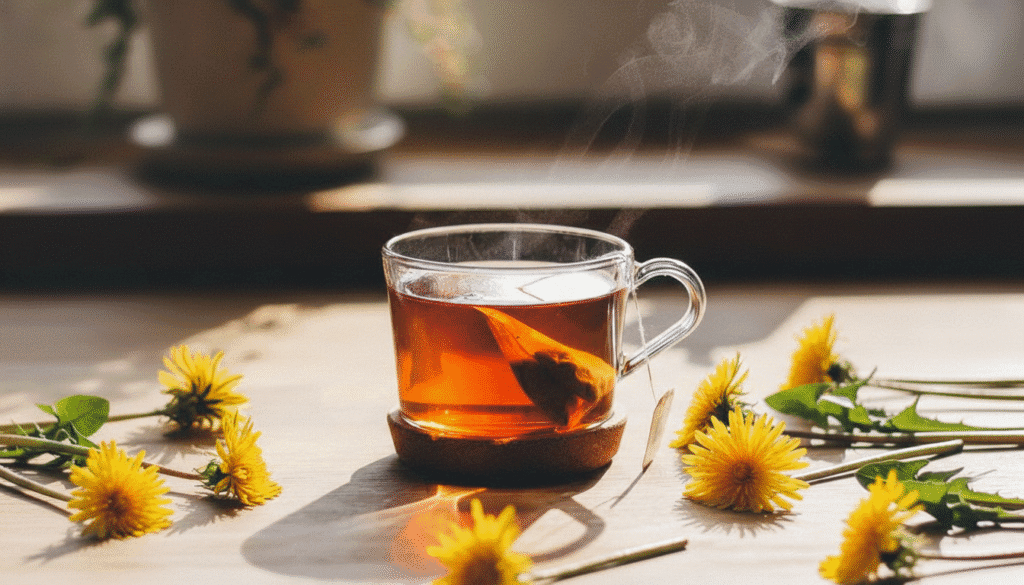
Dandelion root tea is an herbal decoction made from roasted or dried dandelion roots that has a slightly bitter, earthy taste. Traditionally used to support liver function and digestion, it also has mild diuretic action. Ground and roasted, its flavor is rich with coffee-like notes — making it an excellent caffeine-free substitute for regular coffee that delivers all the flavor payoff without any of the jitters.
Dandelion root tea can be consumed early in the morning for digestion, or you can consume it after meals for metabolic processes. Its antioxidants, too, are thought to enhance detoxification and support liver health. Others prefer a sweeter reprieve, heating milk with a dash of cinnamon or honey. Not only that, roasted dandelion root tea has a deep, earthy flavor profile merging with our experience of drinking nature. These properties make it a great herb to have in your herbal tea cupboard, as regular drinking helps promote digestion and can be beneficial for liver functions and holistic well-being.
Brewing Herbal Tea: Step-By-Step
Hot Herbal Tea
- Measure Herbs: 1–2 tsp for leaves/flowers, 1 tbsp for roots/bark
- Boil Water: Fresh water at 190–212°F (88–100°C)
- Steep: Leaves/flowers 5–7 minutes, roots/bark 10–15 minutes
- Strain: Pour into a cup
- Optional: Add honey, lemon, or spices
Cold Herbal Tea (Iced)
- Brew hot tea and let it cool
- Pour over ice
- Try adding fruit slices, mint, or herbs for flavor
Traditional Simmering
Ginger and turmeric, for example, are allowed to steep for 20–30 minutes so that they can bleed out as much of their goodness as possible.
Great for winter warmer drinks, or a quaff for medicinal purposes
[Pro tip — If you’d like to keep the essential oils and aroma, cover the cup while steeping.] Avoid over-steeping to prevent bitterness.
The core benefits of herbal teas, and when to drink them?
| Type of Tea | Key Benefits | Best Time to Drink |
| Chamomile | Calms anxiety, promotes sleep, reduces inflammation | Evening / Before Bed |
| Peppermint | Aids digestion, relieves bloating, boosts alertness | After meals / Afternoon |
| Ginger | Supports digestion, immunity, and anti-inflammatory | Morning / Cold days |
| Rooibos | Antioxidants, heart health, supports skin | Anytime / Morning or Afternoon |
| Hibiscus | Immune support, blood pressure regulation, skin health | Morning or Afternoon |
| Lemon Balm | Reduces stress, improves mood, promotes relaxation | Evening / Night |
| Echinacea | Boosts immunity, helps prevent colds | During cold/flu season |
| Lavender | Relieves anxiety, promotes restorative sleep | Evening / Before Bed |
| Licorice Root | Soothes throat, aids digestion, anti-inflammatory | Cold days / During illness |
| Dandelion Root | Detoxifies the liver, supports digestion, mild diuretic | Morning / After meals |
Things to Be Careful About
Even natural herbs need caution:
- Allergies: Check for plant sensitivities
- Pregnancy and Nursing: Avoid potent herbs like licorice root
- Interactions: Hibiscus may reduce the effectiveness of blood-pressure-lowering medication
Conclusion
This herbal tea guide runs you over their benefits, popular varieties, brewing and blending tips, when to drink them throughout your day, and most importantly, how to stay safe. Whether your needs range from calming, aiding digestion, boosting immunity, to detox and anti-inflammation, there’s a herbal tea for you. So come enjoy and roll up, Charm daily herbal Tea of an indulgent, healthy benefits more to your body as well as the tongue.